Can Foreigners Buy Property in Thailand? Complete Legal Guide
The short answer to whether foreigners can buy property in Thailand is yes, but with important legal limitations. Under Thai law, foreigners generally cannot directly own land. However, this does not mean they are excluded from the Thai real estate market. Foreigners may legally acquire certain types of property under specific structures, depending on whether the asset involves land ownership, building ownership, condominium freehold, leasehold rights, or options such as property for sale Chiang Mai, which is a popular choice among international buyers looking for lifestyle and investment opportunities. Understanding these distinctions is essential before making any investment decision in Thailand.
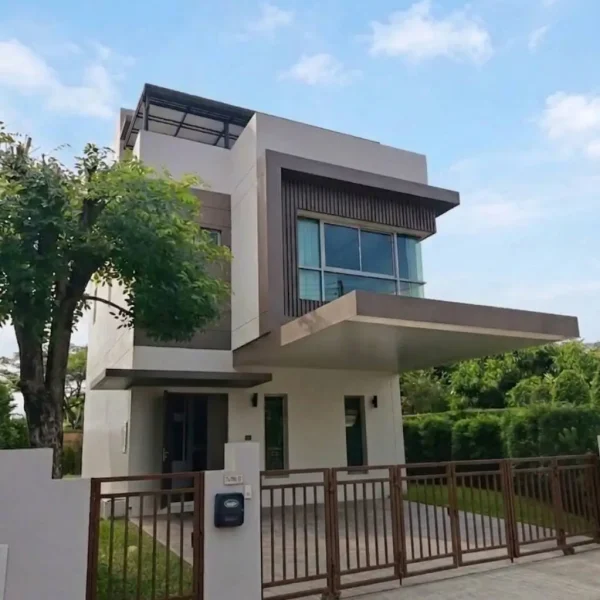
Luxury Homes in Hang Dong, Chiang Mai, Ready to Move In
Special offers are now available for selected homes. Contact us today to receive the latest promotions and pricing.
Legal Options When Asking: Can Foreigners Buy Property in Thailand?
If you are exploring whether can foreigners buy property in Thailand, it is important to understand the three main legal structures available to foreign investors. Although direct land ownership is generally restricted, Thai law provides 4 primary pathways for foreigners to secure property rights: long-term lease agreements, ownership through a properly structured Thai limited company, freehold condominium ownership, and Special Investment Exception. Each option comes with its own legal requirements, risks, and levels of control, so understanding the differences is essential before making an investment decision.
1. Long-Term Lease (Most Common Option)
One of the most common solutions is entering into a long-term lease agreement. Foreigners may legally lease land or property for up to 30 years per contract. In practice, renewal clauses are often included, potentially extending control to 30 + 30 + 30 years, or up to 90 years in total. Although this structure does not grant freehold ownership, it provides long-term security and is widely used for residential homes and villas built on leased land.
2. Thai Limited Company Structure
Another option sometimes considered when asking can foreigners buy property in Thailand is establishing a Thai limited company. In this structure, the company — which must have at least 51% Thai shareholders — purchases the land or property. However, the company must operate legitimately and comply fully with corporate and land regulations. It is important to note that using Thai shareholders purely as nominees to bypass foreign ownership restrictions is illegal under Thai law and carries significant legal risks.
3. Condominium Ownership (Freehold Option)
For foreigners seeking outright ownership, condominium purchase is often the most straightforward solution. Thai law allows foreigners to own condominium units freehold, provided that total foreign ownership within the building does not exceed 49% of the total unit area. Additionally, the purchase funds must be transferred into Thailand from overseas in foreign currency. Because it offers clear legal ownership without the complexity of land restrictions, condominium ownership is generally considered the safest and most transparent option for foreign buyers.
4. Special Investment Exception (40 Million THB Rule)
In addition to the three primary structures, there is a limited fourth pathway sometimes mentioned when asking can foreigners buy property in Thailand. Under a special investment-based exception, a foreigner may apply for permission to own up to one rai of land for residential purposes.
To qualify, the foreign investor must invest at least 40 million THB in approved assets and maintain that investment for a minimum of five years. The land must be located in designated areas specified by the authorities and can only be used for residential purposes. Importantly, this approval is not automatic. Each case requires formal review and approval at the Cabinet level, making it a highly restricted and rarely used option in practice.
Because of the strict conditions and discretionary approval process, this exception is generally considered more complex and less practical compared to condominium ownership or long-term lease structures.
2025 Government Measures & LTR Visa
To further clarify the question can foreigners buy property in Thailand, the Thai government has introduced long-term incentives such as the Long-Term Resident (LTR) Visa program. While the LTR visa does not change the fundamental restrictions on foreign land ownership, it significantly enhances long-term residency stability and investment confidence for qualified applicants. The program targets specific groups, including high net-worth individuals, retirees, remote workers, and highly skilled professionals. Successful applicants may receive a 10-year visa, access to a digital work permit system, reduced personal income tax rates (as low as 17% for certain categories), and exemptions from the traditional 90-day reporting requirement.
Although the LTR visa does not automatically grant land ownership rights, it can make the overall process of investing and residing in Thailand more secure and structured. For foreigners researching can foreigners buy house in Thailand, the visa can provide long-term legal residence, which supports property leasing, condominium purchases, or participation in approved housing projects under existing regulations.
Required Documents for Foreign Buyers
For those seriously evaluating can foreigners buy property in Thailand, preparation of the correct documentation is essential. In most cases, foreign buyers will need a valid passport and, if working in Thailand, a work permit. Proof of funds transferred from overseas in foreign currency is typically required, especially for condominium purchases, along with a formal sale and purchase agreement. If the transaction involves a Thai spouse — which is often relevant when exploring whether can foreigners buy house in Thailand under a spouse’s name — marriage documentation and written spousal consent may also be required. Ensuring that all documentation complies with Thai legal and banking regulations is a critical step in securing a smooth property transaction.
Frequently Asked Questions (FAQ)
Rochalia Residence Modern House Chiang Mai
Rochalia is one of the most desirable modern housing developments in Chiang Mai. Located in the prime Hang Dong area, the project offers convenient access to key destinations including Chiang Mai International Airport, international schools, resorts, and major city routes. Just 10 minutes from the city center, Rochalia is perfect for those who want to stay close to Chiang Mai while enjoying a peaceful and private residential environment.
-
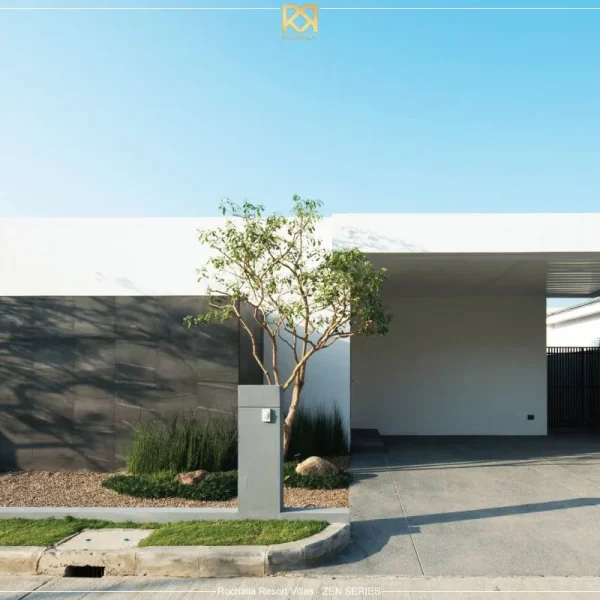 Rochalia Zen Series 338/82 House For Sale Chiang Mai฿7,500,000.00
 -
-